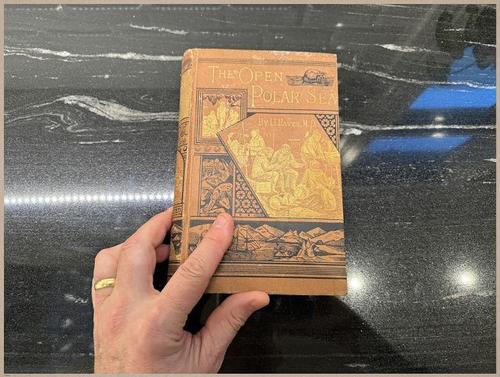
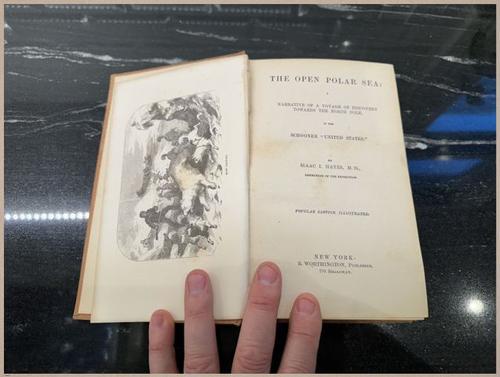
This is a mid‑nineteenth‑century American Arctic travel narrative by Isaac Israel Hayes, recounting his 1860–61 attempt to reach high northern latitudes in search of the hypothesized “open polar sea.”
Bibliographic details
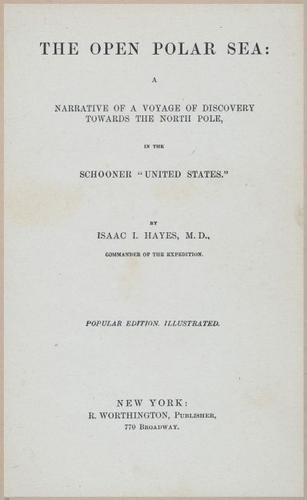
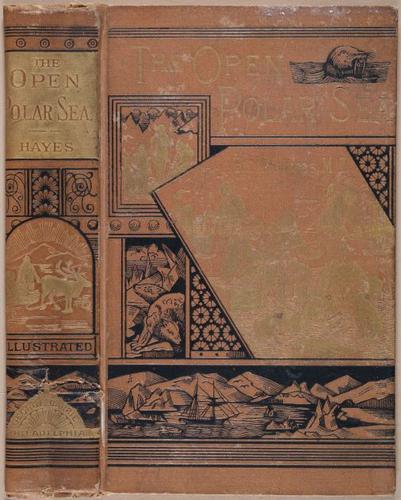
The full title is The Open Polar Sea: A Narrative of a Voyage of Discovery towards the North Pole, in the Schooner “United States,” first published in New York by Hurd and Houghton in 1867. Hayes (1832–1881) was a physician and Arctic explorer who had previously served as surgeon with Elisha Kent Kane’s Second Grinnell Expedition, and he drew heavily on that prior experience in conceiving this voyage.
Expedition and route
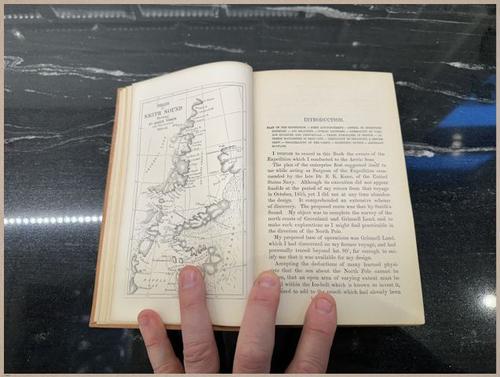
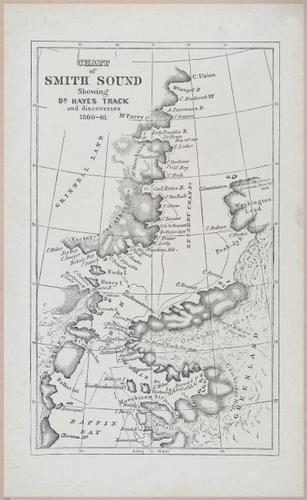
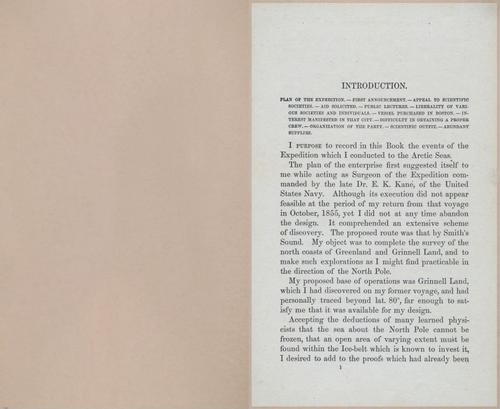
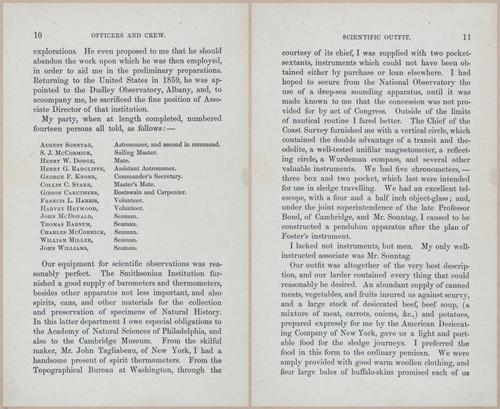
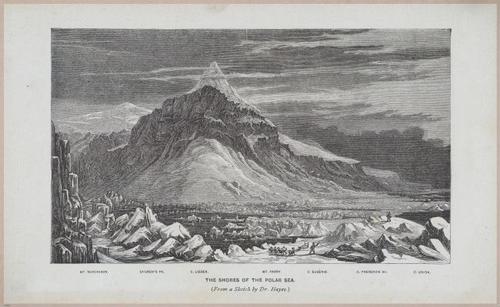
The narrative describes a privately organized American expedition that departed from Boston in the small schooner United States, aiming to push north via Baffin Bay, Melville Bay, Smith Sound, and Kennedy Channel. Hayes used Smith Sound as his gateway, with plans to establish a base around Grinnell Land—a coast he believed he had identified on an earlier voyage—and then to explore northward over ice and by boat as conditions allowed.
Structure and contents
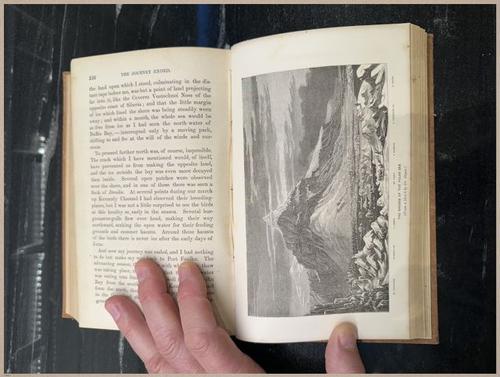
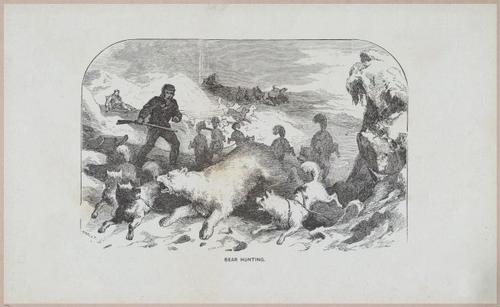
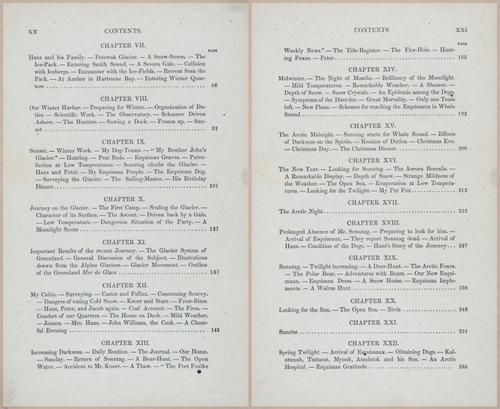
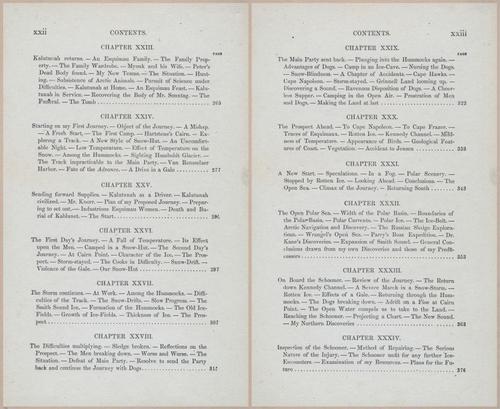
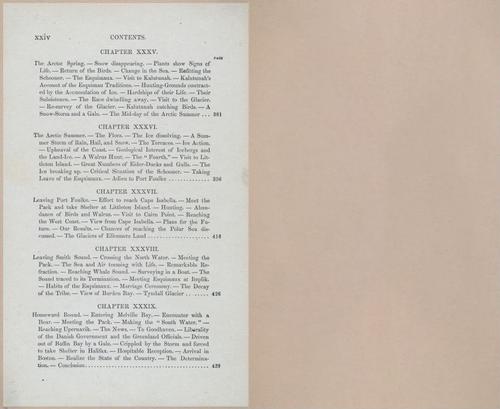
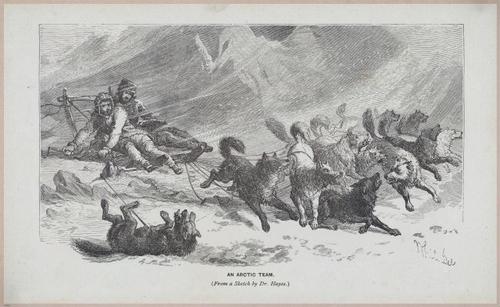
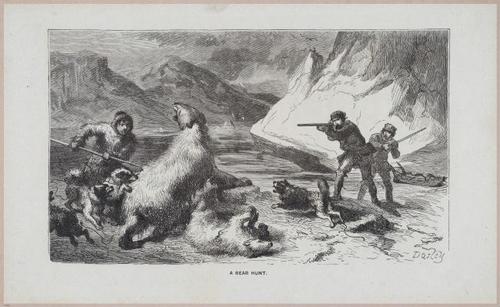
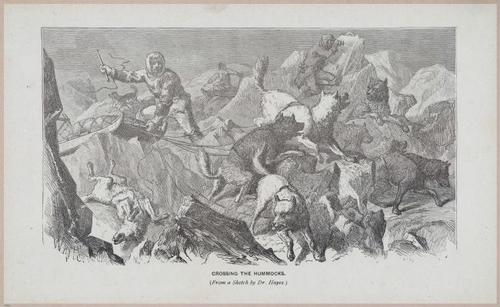
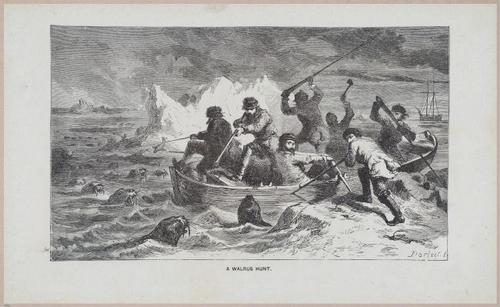
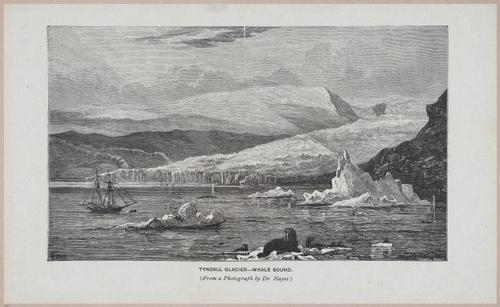
The book is structured as a chronological account interwoven with descriptive and scientific passages, including a long table of contents detailing episodes such as “Among the Icebergs,” “Entering Smith Sound,” “Our Winter Harbor,” and subsequent sledge journeys over the Greenland ice and sea ice. Hayes combines adventure narrative (gales, collisions with ice, near‑disasters among hummocked floes) with set‑piece descriptions of glaciers, ice dynamics, meteorology, and the seasonal return of Arctic flora and fauna.
Themes and scientific ideas
A central theme is the then‑popular hypothesis of an “open polar sea,” an ice‑free ocean surrounding the North Pole, inferred by some nineteenth‑century physicists and geographers from oceanic and atmospheric theories and scattered reports of open water at high latitudes. Hayes presents his journey as a test of this idea, discussing currents, “rotten ice,” and episodes of unexpectedly mild temperatures and open water in Kennedy Channel as suggestive evidence, even though later exploration would show that the concept of a permanent open polar sea was mistaken.
Ethnographic and literary interest
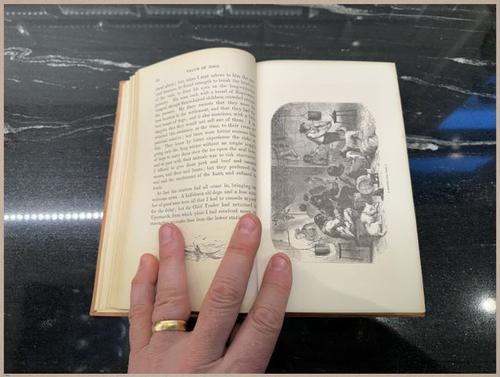
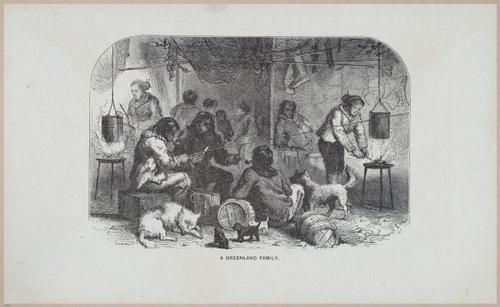
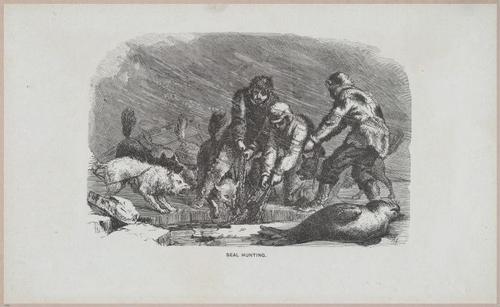
Beyond geographical and scientific aims, the book includes substantial material on Greenlandic Inuit communities: Hayes describes families such as that of Kalutunah, details clothing, household goods, subsistence strategies, and social practices like feasts and marriage ceremonies, while also lamenting the demographic decline of these groups under environmental and historical pressures as he understood them. Stylistically, it belongs to the Arctic exploration genre of the period, mixing romanticized landscape writing, patriotic rhetoric about American science, and close observational detail, which makes it valuable both as a historical source on mid‑Victorian polar exploration and as a specimen of nineteenth‑century travel literature.
Isaac Israel Hayes
Isaac Israel Hayes was a 19th‑century American physician, Arctic explorer, and later politician, best known for his attempts to reach high northern latitudes and for promoting the idea of an “open polar sea.”
Early life and medical training
Hayes was born on March 5, 1832, in Chester County, Pennsylvania, to Benjamin Hayes and Ann Barton (often given as Borton in local records), in a Quaker family background. He attended the Westtown School, a Quaker academy, and then studied medicine at the University of Pennsylvania, receiving his M.D. in 1853.
Kane expedition and first Arctic experience
Soon after qualifying as a doctor, Hayes volunteered as surgeon for Elisha Kent Kane’s Second Grinnell Expedition (1853–55), which sailed on the Advance in search of Sir John Franklin’s lost Arctic expedition. During this voyage he helped map roughly 200 miles of previously uncharted coastline on the east side of Ellesmere Island (then called Grinnell Land), suffered severe frostbite that led to the amputation of three toes, and later turned this experience into his book An Arctic Boat Journey (1860).
Independent Arctic expeditions
In 1860 Hayes raised about $30,000 to lead his own American Arctic expedition in the schooner United States, aiming to approach the North Pole via Baffin Bay, Smith Sound, and Kennedy Channel in hopes of confirming an ice‑free polar sea. He probably reached a little above 80° N (he claimed 81°35′ N), misinterpreting open water in Kennedy Channel as evidence of a permanent “open polar sea,” and recounted the expedition in The Open Polar Sea (1867) along with other works such as the juvenile tale Cast Away in the Cold.
Civil War service and later voyages
During the American Civil War, Hayes served as a Union Army surgeon and was appointed commanding officer of Satterlee General Hospital in Philadelphia. In 1869 he made a third Arctic voyage to Greenland aboard the Panther with marine and Arctic painter William Bradford, focusing on geographical and glaciological observations later published in The Land of Desolation (1871) and illustrated works on the Arctic regions.
Public life, honors, and death
After the war Hayes entered politics, serving in the New York State Assembly, while remaining active in geographical and scientific circles. His Arctic work earned him medals from the Société de Géographie in Paris and the Royal Geographical Society in London, and he died in New York City on December 17, 1881 (sometimes misreported as December 7), unmarried but remembered as an important figure in developing the “American route” toward the Pole later used by Robert Peary.