HIST23B - Playground - January 2024
Step 0 of 0
1
2
3
4
5
6
7
8
9
10
11
12
13
14
15
16
17
18
19
20
21
22
23
24
25
26
27
28
29
30
31
32
33
34
35
36
37
38
39
40
41
42
43
44
45
46
47
48
49
50
51
52
53
54
55
56
57
58
59
60
61
62
63
64
65
66
67
68
69
70
71
72
73
74
75
76
77
78
79
80
81
82
83
84
85
86
87
88
89
90
91
92
93
94
95
96
97
98
99
100
101
102
103
104
105
106
[ 2024-01-03 15:51:45 ]..
The routes of Captain James Cook's voyages. The first voyage is shown in red, second voyage in green, and third voyage in blue. The route of Cook's crew following his death is shown as a dashed blue line…
https://en.wikipedia.org/wiki/James_Cook
[ 2024-01-03 15:51:45 ]
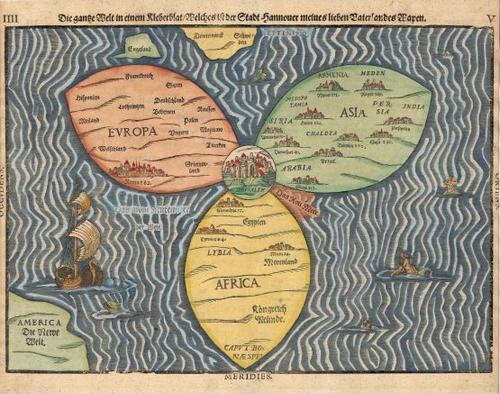
Bunting Clover Leaf Map - 1581
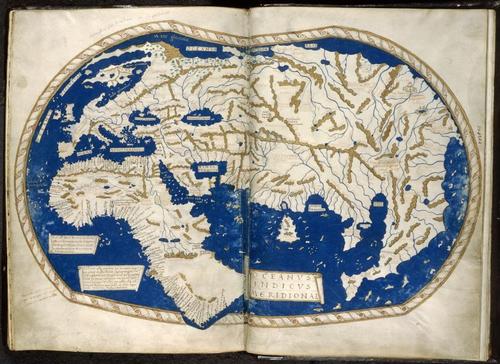
Martellus world map
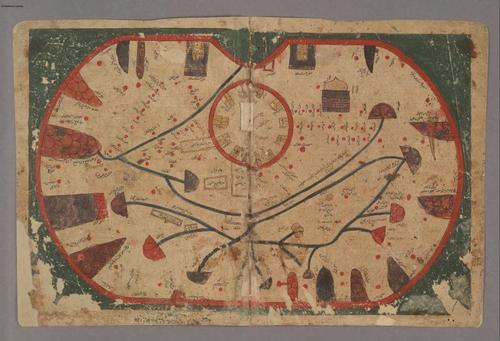
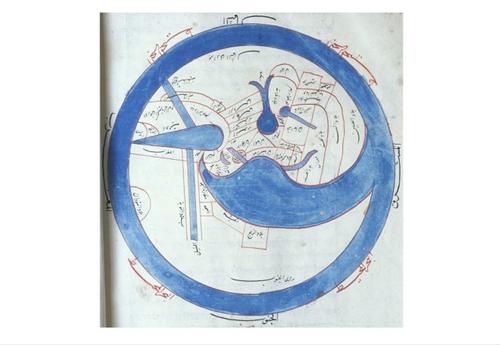
Book of Curiosities
https://en.wikipedia.org/wiki/Book_of_Curiosities
https://www.thethinkingtraveller.com/italy/sicily/guide-to-sicily/history-of-sicily
[ 2024-01-04 11:20:43 ]
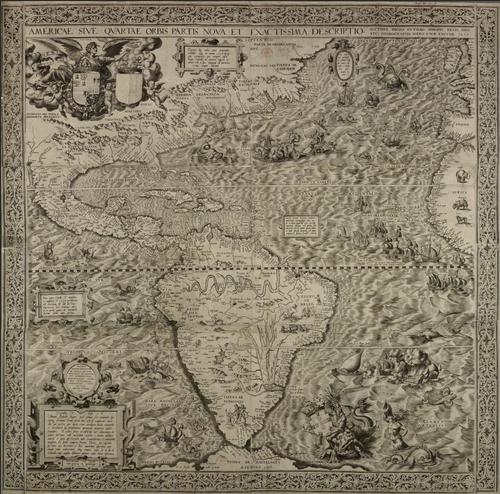
Americae Sive Quartae Orbis Partis Nova Et Exactissima Descriptio (Teddy Palmore)
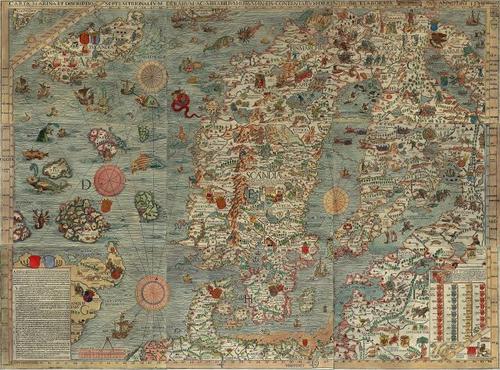
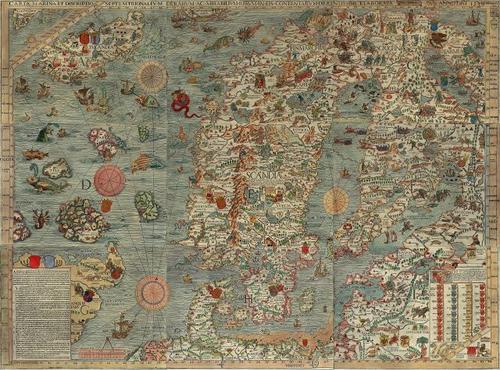
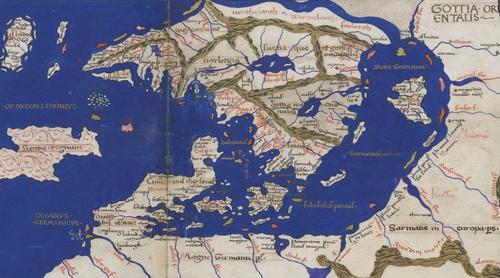
Carta Marina 1539 - Map of Scandinavian countries/ North of Europe
Denis Sotnichenko
The focuses on Scnadia region and covers modern-day Norway, Sweden, Denmark, Iceland, Finland, Lithuania, Latvia, and Estonia.
Source of the image: https://en.wikipedia.org/wiki/Carta_marina
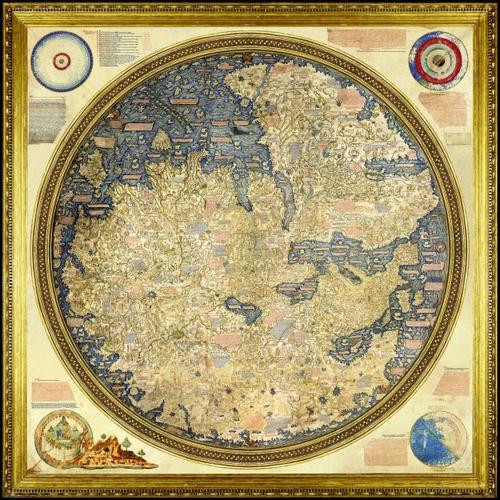
Fra Mauro Map (Nikhil DeNatale)
Image Taken from https://en.wikipedia.org/wiki/Fra_Mauro_map
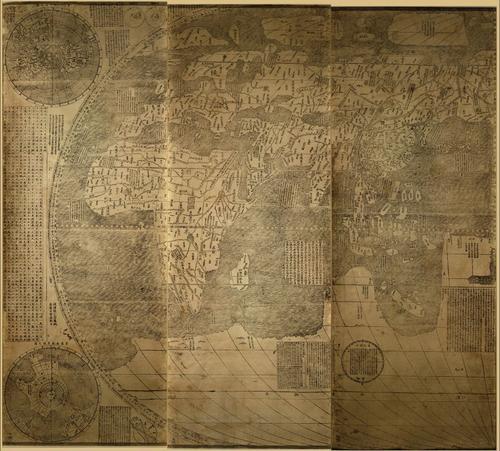
Kunyu Wanguo Quantu (1 of 2) (John Steinmetz)
(Map of the Ten Thousand Countries of the Earth)
Printed in China in 1602 at request of the emperor by the Italian Catholic missionary Matteo Ricci and Chinese collaborators, the mandarin Zhong Wentao, and the technical translator Li Zhizao, is the earliest known Chinese world map with the style of European maps.
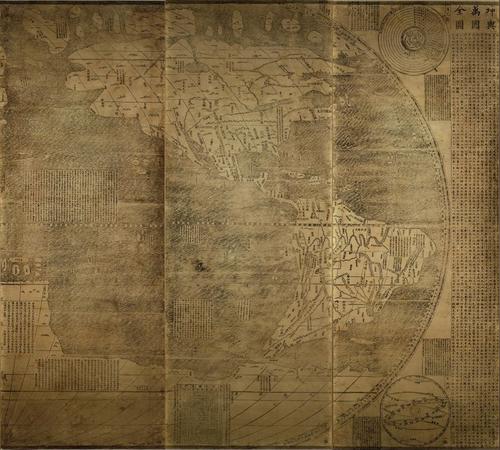
Kunyu Wanguo Quantu (2 of 2) (John Steinmetz)
Printed in China in 1602 at request of the emperor by the Italian Catholic missionary Matteo Ricci and Chinese collaborators, the mandarin Zhong Wentao, and the technical translator Li Zhizao, is the earliest known Chinese world map with the style of European maps.
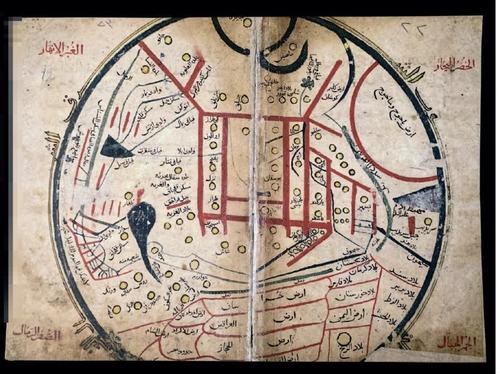
Julian Arenas - Map from Compendium of the Turkic Dialects
Appeared in the first ever dictionary of Turkic Dialects, 1266 CE
Sourced from: https://pixeum.org/exhibits/412/islamic-maps-from-the-collection-of-karen-pinto
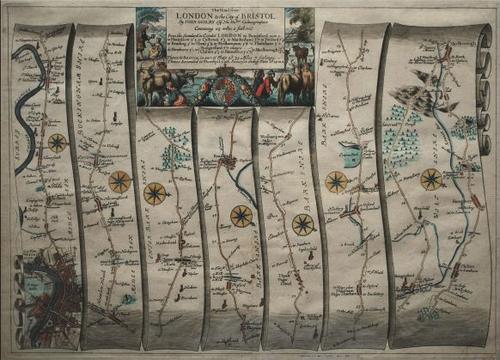
John Ogilby: The Road from London to The City of Bristol
E444 - KMMS World Map - cartographer unknown - 878 AH / 1473 CE - Jeff Sousa
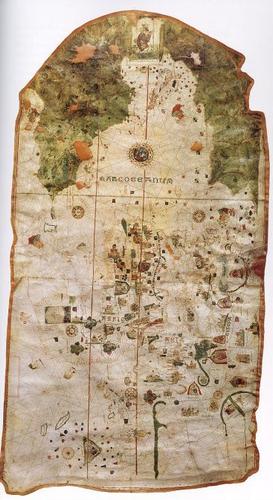
Map of Juan de la Cosa-SRW
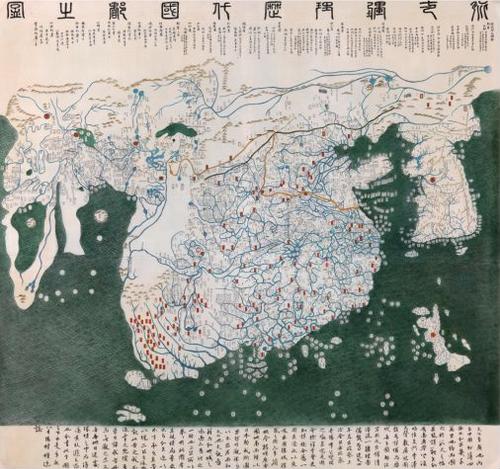
Gangnido - Brandon Joung
혼일강리역대국도지도 / Kwon Kun & Yi Hoe / 1402
Source: https://pbs.twimg.com/media/F3iN8oYWgAEMYsO.jpg:large
Approx. modern-day area covered:

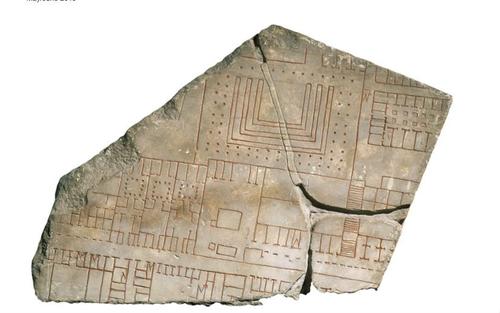
Forma Urbis Fragment (Joe Miotto)
Severan Map of Rome circa 200 AD. Originally displayed in the Temple of Peace in Rome on Viminal Hill. 60:43 feet and 1:240 scale.
The creation of monuments for the past emperors of Rome was a key part of cementing the authority of the current dynasties. By creating a chronological story of inheritance through the monuments, emperors showed their ties to the now divus emperors of the past. This Severan map emphasizes the built form and the glory associated with the city's monuments, thereby affirming the power of the built form and the glory associated with the city's monuments, affirming the regime's power of the regime.

Here is a possibility of what the Forma Urbis would have looked like in the Temple of Peace during the Severan dynasty when it was first built.
Tablet image found at https://www.archaeology.org/issues/338-features/maps/7547-maps-rome-forma-urbis-romae
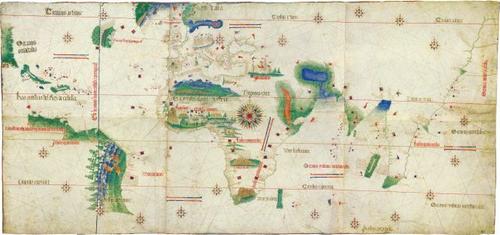
Cantino Planisphere (Barrett Heritage)
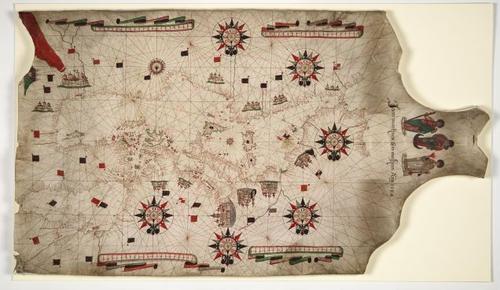
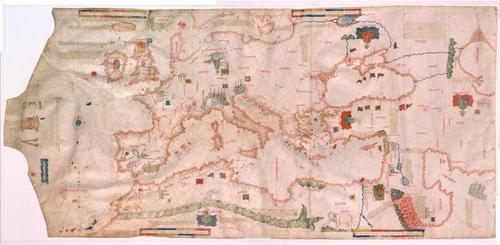
1584 Portolan Chart of the Mediterranean - Joan Martines (Andrew Gu)
[ 2024-01-04 15:56:13 ] (Reona Kubomiya)
Bartolomeo Pareto, 1455 (Oscar Nobel)
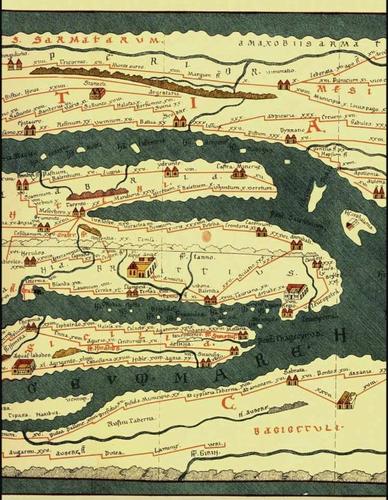
Tabula Peutingeriana (Chris Malone)
https://en.wikipedia.org/wiki/Tabula_Peutingeriana
https://www.atlasobscura.com/articles/the-perfect-22-foot-map-for-your-ancient-roman-road-trip
By Chris Malone
[ 2024-01-04 15:56:10 ]
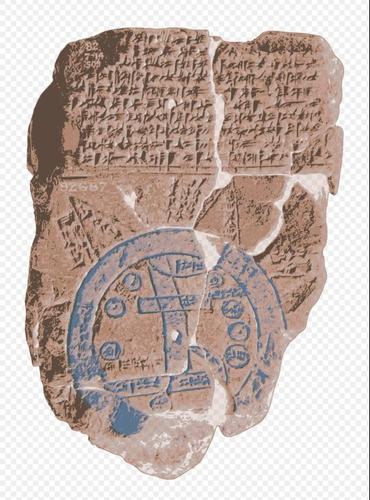
Babylonian Map of the World, 700-500 BC (Nathan Moldavsky)
Nathan Moldavsky
https://en.wikipedia.org/wiki/Babylonian_Map_of_the_World#
For line drawing, see https://www.pixeum.org/s/M37KIBPTyG
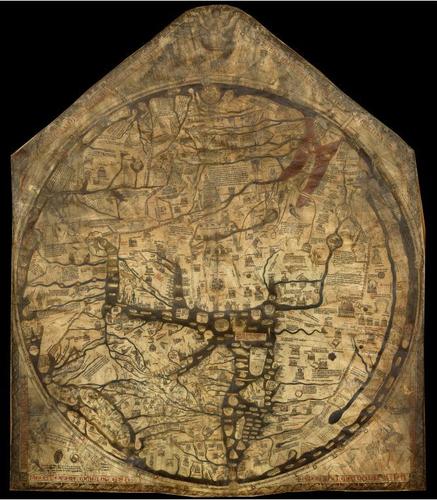
Hereford Mappa Mundi (Aly Eward)
[ 2024-01-05 15:24:43 ]
https://en.wikipedia.org/wiki/Hereford_Mappa_Mundi
https://www.pixeum.org/s/GRrcarUJcA
https://www.themappamundi.co.uk/mappa-mundi/
ACE
Carta Marina 1539 - Map of Scandinavian countries/ North of Europe
The focuses on Scnadia region and covers modern-day Norway, Sweden, Denmark, Iceland, Finland, Lithuania, Latvia, and Estonia.
Source of the image: https://en.wikipedia.org/wiki/Carta_marina
Denis Sotnichenko
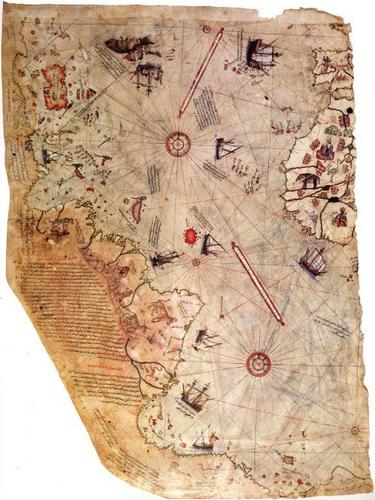
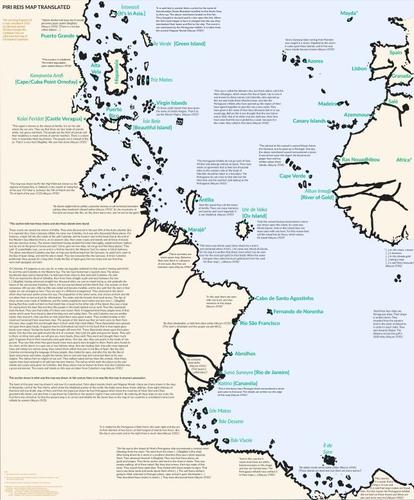
Piri reis map (Fletcher Hoven)
Digital Humanities - Digitally Created Graphic Scores - Brandon Joung [REFER TO MY OTHER IMAGE]
Graphic notation in music is a very interesting field. While music is spatial in nature, it is spatially aurally and not visually like a geographical map would be. However, with the advent of graphic scores, visual space can become a more effective proxy for representing our ear's spatial and temporal perception of frequencies and amplitudes.
An AI-generated graphic score in the style of the modernist composer Iannis Xenakis.
Obtained from this link: https://kubikmilk.com/ai-generated-graphic-music-score/
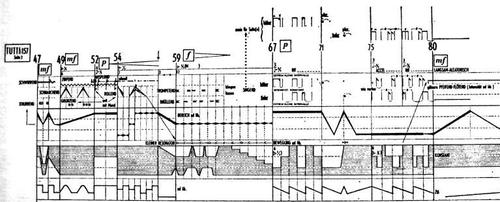
Digital Humanities - Score for Mikrophonie I - Karlheinz Stockhausen - (Brandon Joung)
Graphic notation in music is a very interesting field. While music is spatial in nature, it is spatially aurally and not visually like a map would be. However, with the advent of graphic scores, visual space can become a more effective proxy for representing our ear's spatial and temporal perception of frequencies and amplitudes.
This image is page 2 from the score for modern classical composer Karlheinz Stockhausen's Mikrophonie I, for tam-tam, 2 microphones, and 2 filters each with potentiometers. Notice how different categories of sounds are spatially arranged into distinct columns.

Above is a legend of the piece's "connection scheme" --- the manner in which a "structure" (sound event) should function in relation to another simultaneously occurring structure. This piece has three structures.
Link to source: https://stockhausenspace.blogspot.com/2014/05/opus-15-mikrophonie-i.html
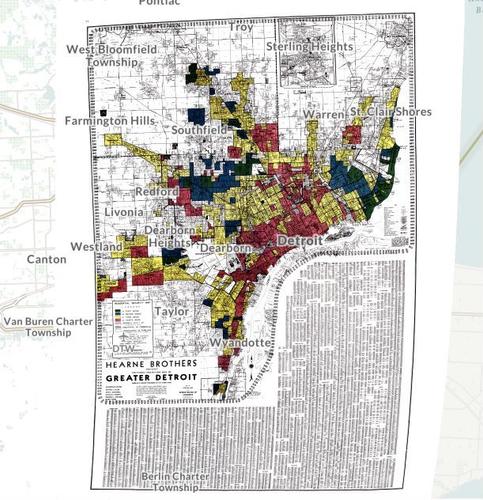
Digital Humanities – Detroit Redlining - Chris Malone
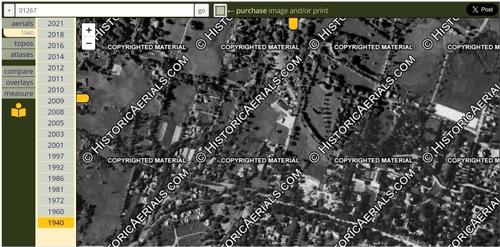
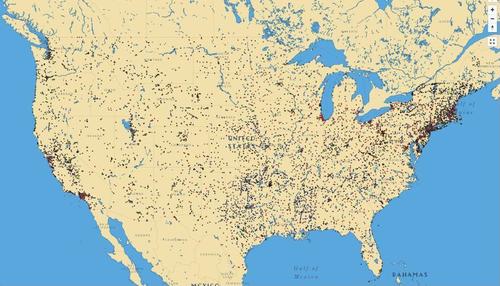
Digital Humanities - Historical Aerials - Connor Connolly
Here is a screenshot from the site https://www.historicaerials.com/. My research onto digital humanities revealed no concrete definition of the subject, only that it combines the study of the humanities with new digital technology. To this end, Historic Aerials is a great site because it provides an OSM of the US with historic aerials (hence the name) overlayed in a selection of years in the sidebar. This way one can actively watch the development of even remote and fairly undocumented regions and is a fantastic tool for using images that are not in and of themselves maps to create highly useful hybrid maps.
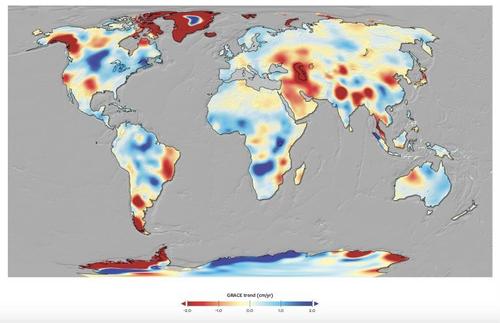
Digital Humanities – A Map of the Future of Water - Orr Teva
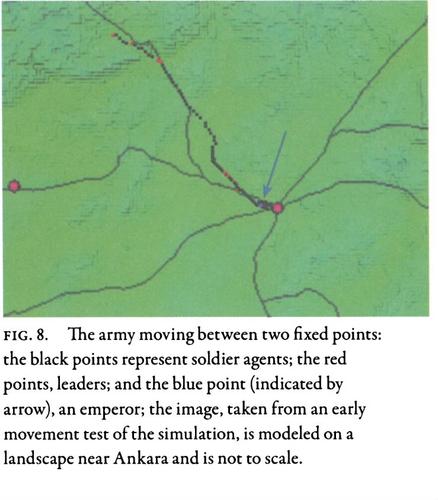
Digital Humanities - Medieval Warfare on the Grid - Andrew Gu
Image source: HALDON, JOHN, Vince Gaffney, Georgios Theodoropoulos, and Phil Murgatroyd. “Marching across Anatolia: Medieval Logistics and Modeling the Mantzikert Campaign.” Dumbarton Oaks Papers 65/66 (2011): 233. http://www.jstor.org/stable/41933710.
This is an early-stage screenshot from Medieval Warfare on the Grid, an enormous simulation spearheaded by Philip Murgatroyd of the Byzantine army's march from the capital to its fateful clash at Manzikert in 1071. Murgatroyd and his collaborators created (with plenty of estimates and some speculation) an extraordinarily set of simulations modeling the decision-making and pathfinding of every single soldier, officer, noncombatant, and animal in the Byzantine army on the march to Manzikert, from digging camp trenches to consuming food to navigating Byzantine Anatolia's major military roadways, as well as the effects those choices had on the towns and landscapes the army passed through. Though the simulation isn't exact, it provides a never-before-seen level of detail on the conditions and constraints of a pre-modern army on the march and definitely rules out many scholars' and commentators' estimates of plausible army sizes.
Sources:
Haldon, John, Vince Gaffney, Georgios Theodoropoulos, and Phil Murgatroyd. “Marching across Anatolia: Medieval Logistics and Modeling the Mantzikert Campaign.” Dumbarton Oaks Papers 65/66 (2011): 209–35. https://www.jstor.org/stable/41933710.
Gaffney, Vince, Phil Murgatroyd, Bart Craenen, and Georgios Theodoropoulos. “‘Only Individuals’: Moving the Byzantine Army to Manzikert.” Bulletin of the Institute of Classical Studies. Supplement, no. 122 (2013): 25–43. https://www.jstor.org/stable/44216321.
Murgatroyd's comprehensive PhD thesis on the Medieval Warfare on the Grid project: https://etheses.bham.ac.uk/id/eprint/3797/2/Murgatroyd12PhD.pdf.
Digital Humanities-Sam Reynoso Williams
Digital humanities - Living New Deal - Teddy Palmore
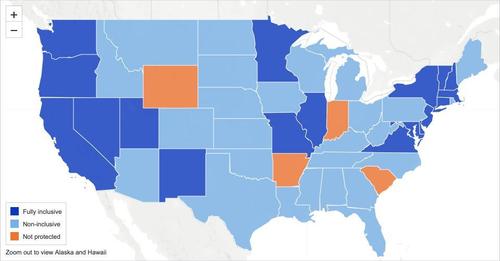
Digital Humanities - "Hate Crime Laws By State" - Oscar Nobel
Map provided by the Anti-Defamation League (ADL)
"The Hate Crime Statistics Act (HCSA) of 1990, as amended, requires the Justice Department each year to collect and report data on hate crimes – crimes that are motivated in whole or in part by bias based on race, religion, ethnicity, sexual orientation, disability, gender or gender identity. While the HCSA report provides the single best national snapshot of bias-motivated criminal activity in the U.S., still today, dozens of large cities either do not report hate crime data at all — or underreport the data to the FBI. ADL works in partnership with others across the country to improve hate crime prevention, response and reporting."
Full breakdown here:
https://www.adl.org/resources/tools-to-track-hate/hate-crime-map


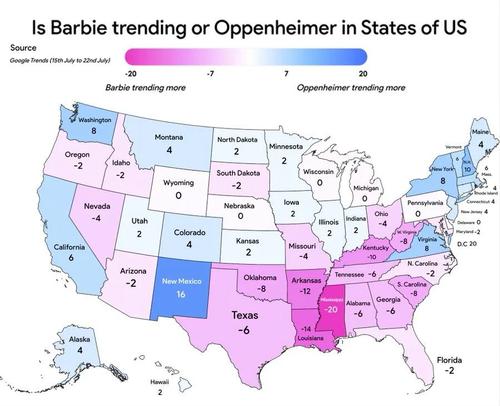
Digital Humanities -- "Is Barbie or Oppenheimer Trending More?" -- Oscar Nobel
https://scotscoop.com/opinion-barbie-and-oppenheimer-draws-a-map-of-political-values/
"The “Barbenheimer” map shows whether “Barbie” or “Oppenheimer” is trending more in states of the U.S. Interestingly, “Barbie” had a greater viewership in the Southern states, while “Oppenheimer” had more success on the coasts."
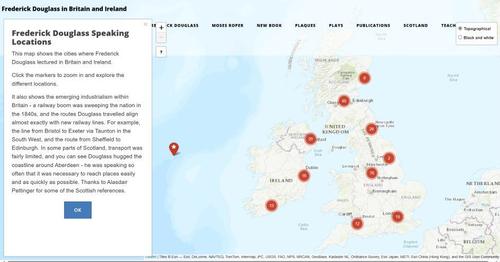
Digital Humanities – Frederick Douglass Lectures in Britain and Ireland - Jeff Sousa
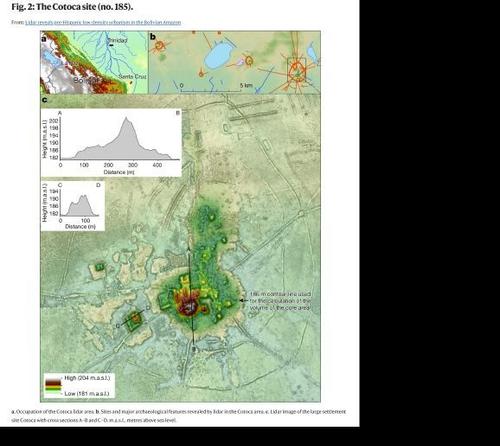
Digital Humanities – Lidar Imaging in the Bolivian Amazon - Jeff Sousa
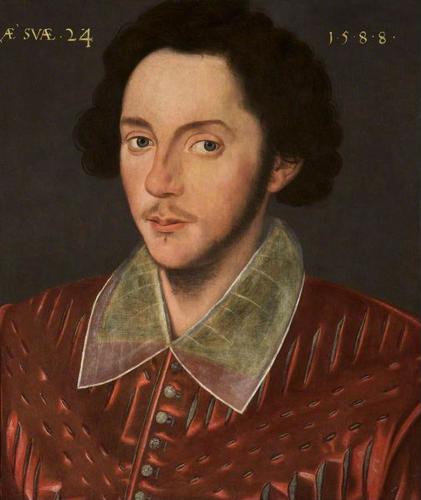
Digital Humanities - Shakespeare Facial Recognition - Nikhil DeNatale
This portrait, made by an unknown artist in 1588, is considered a photo of a person who looks similar to Shakespeare, although there is no proof that it is actually intended to be of Shakespeare. Ray Evans, a Research Fellow in Psychology at the University of Manchester, attempted to use facial recognition on the photos to show the similarities between the two faces. Although it cannot prove that the painting is definitely William Shakespeare, it does show the similarities between the two people.
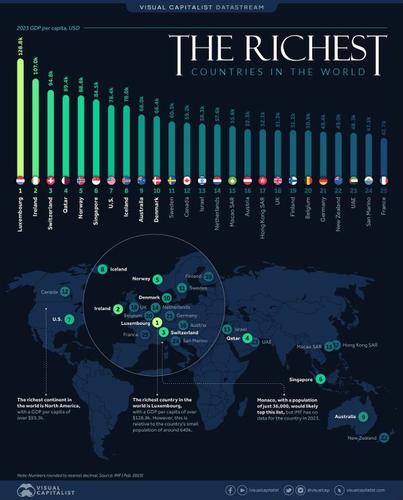
Digital Humanities - Top Countries by GDP per capita - Denis Sotnichenko
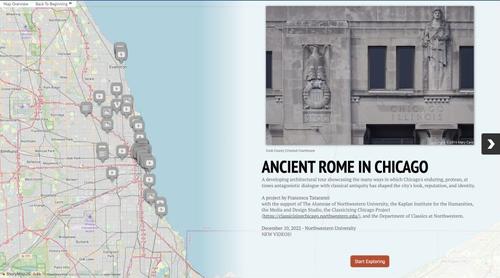
Digital Humanities - Ancient Rome in Chicago - Nathan Moldavsky
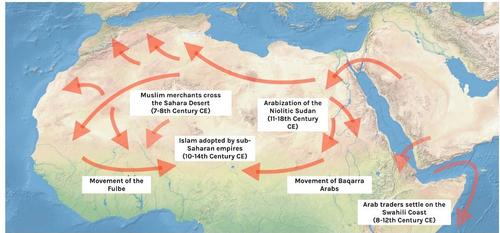
Digital Humanities - The Spread of Islam in Ancient Africa - Fletcher Hoven
This map provides a simple showing of how Islam spread in ancient Africa. This map explains how Islam mainly spread through merchants, traders, scholars, and missionaries. The emersion of Islam was also dependent of conquest and rulers of the time
https://www.worldhistory.org/article/1382/the-spread-of-islam-in-ancient-africa/
Digital Humanities - Map for Katherine Dunham’s Repertory- Fletcher Hoven
This map shows the places in which served as inspiration for her choreography. Katherine Mary Dunham was an American dancer, choreographer, anthropologist, and social activist in the 20th century.
Dunham
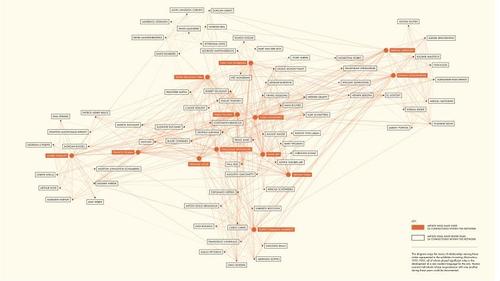
Digital Humanities - Inventing Abstraction - MoMA 2012-2013 - Joe Miotto
I recommend accessing the link to interact with this map/concept chart. The link also has how they charted these connections and more information than just the lines connecting the thinkers and artists.
Image Link - https://www.moma.org/interactives/exhibitions/2012/inventingabstraction/MoMA_InventingAbstraction_Network_Diagram.pdf
Website Link - https://www.moma.org/interactives/exhibitions/2012/inventingabstraction/?page=connections
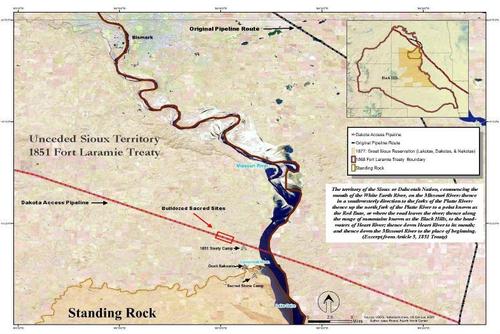
Digital Humanities - "Digitizing the Sacred: Water, Struggle, and the Digital Legal Geography of Standing Rock" - Julian Arenas
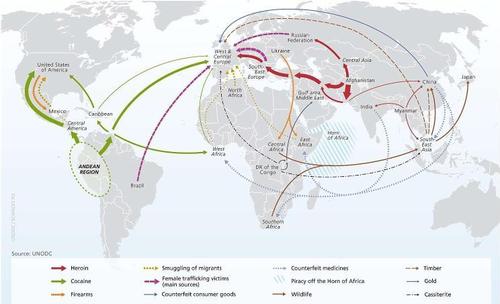
Digital Humanities - Map of crime worldwide. (United Nations Office on Drugs and Crime) - Barrett Heritage
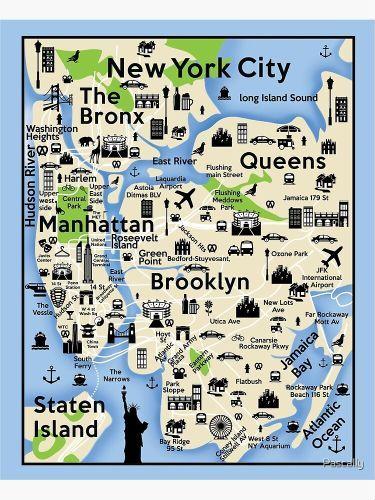
Bad Design - "New York, City Map, Brooklyn, Queens, Manhattan, Staten Island, Bronx, sites, City Greeting Card" - Connor Connolly
https://www.redbubble.com/i/greeting-card/New-York-City-Map-Brooklyn-Queens-Manhattan-Staten-Island-Bronx-sites-City-by-Pascally/45172677.5MT14 Here is a link to this map. Not that you'd want a link to it. Or to see it. This map is terrible and I every time I look at it I find a new problem with it.
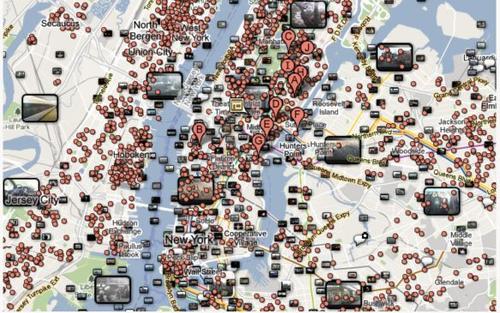
Bad Design - New York City "Mashup" - Chris Malone
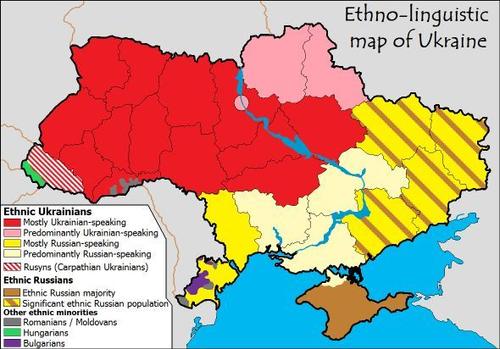
Bad Design - Ethnolinguistic Map of Ukraine - Andrew Gu
- What's the difference between predominantly and mostly?
- This map is from 2011 but uses data on ethnic Russians in Ukraine from 2001.
- What is a "significant" ethnic Russian population?
Source: https://commons.wikimedia.org/wiki/File:Ethnolingusitic_map_of_ukraine.png
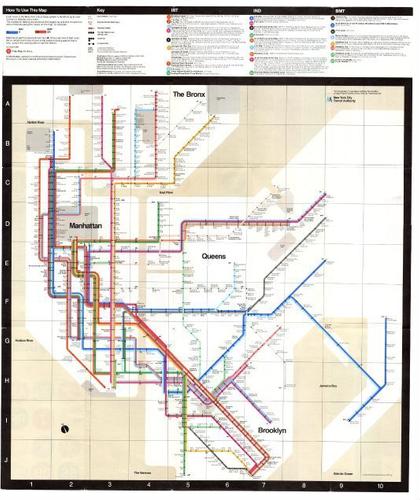
Bad Design – The 1972 Massimo Vignelli map of the New York subway - Orr Teva
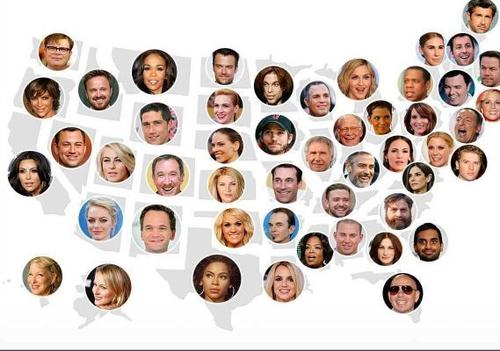
Bad design - Most famous celebrity from each state - Teddy Palmore
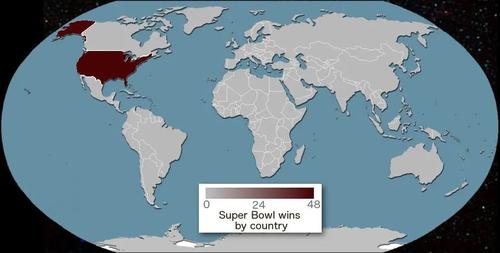
Bad Design -- "Super Bowl Wins by Country" -- Oscar Nobel
"American greatness, in one map."
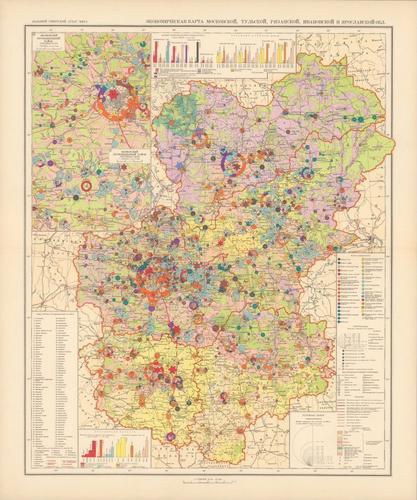
Bad Design - The map of economic activity of Moscow Region - Denis Sotnichenko
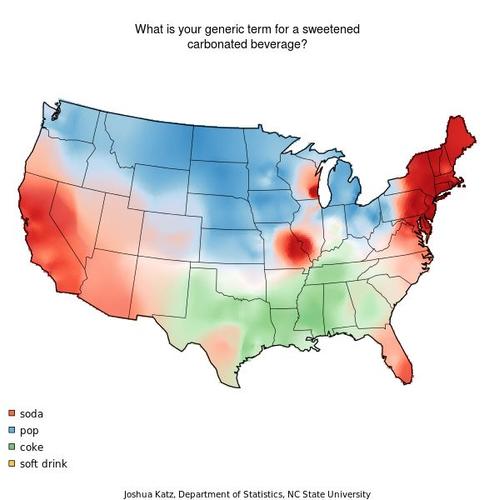
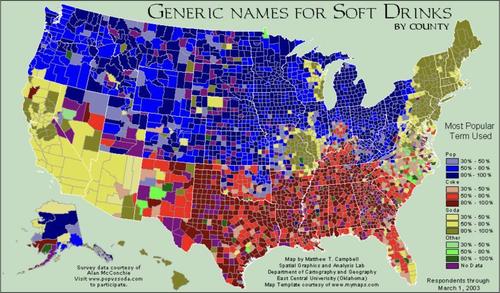
Bad Design - What Is Your Generic Term for a Sweetened Carbonated Beverage? - (Brandon Joung)
Link to source: https://www.businessinsider.com/american-english-dialects-maps-2018-1#no-one-can-agree-on-whether-to-call-it-soda-pop-or-coke-2
Main issue is the color gradient. What do the white areas represent? How do we know which colors are intersecting? (They're definitely not continuous, as seen by St. Louis.)
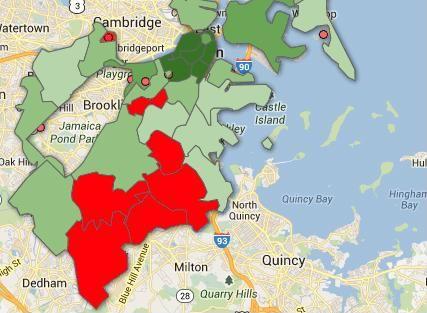
Bad Design - Sam Reynoso Williams
This map is trying to depict areas with bars/liquor stores
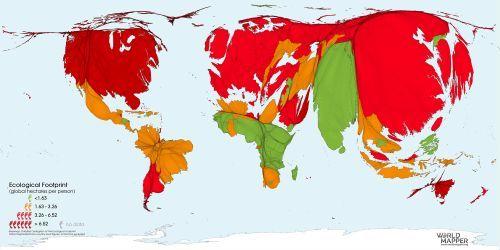
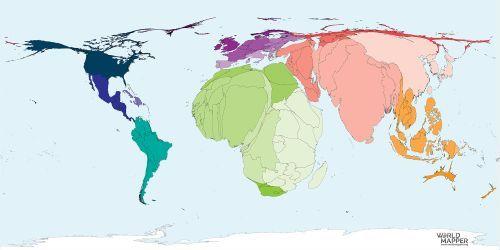
Bad Design - Ecological Footprint Map - Nikhil DeNatale
This map shows each countries ecological footprint for capita, or how much each person impacts the natural environment. The data is interesting, but the distortions on the map make it difficult to read. Although it is clear with outside context which countries have the largest impacts, the shapes are quite distorted so it is difficult to recognize the countries based off of the shape. Also, countries with smaller ecological impacts barely show up on the map, making it hard to tell how much they affect the environment in comparison to other low polluters, and we can only tell that they are less than the largest polluters.
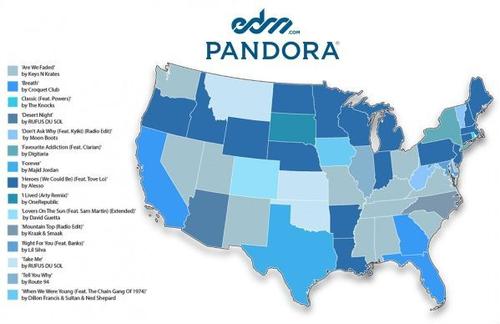
Bad Design - Top Pandora Tracks - Nathan Moldavsky
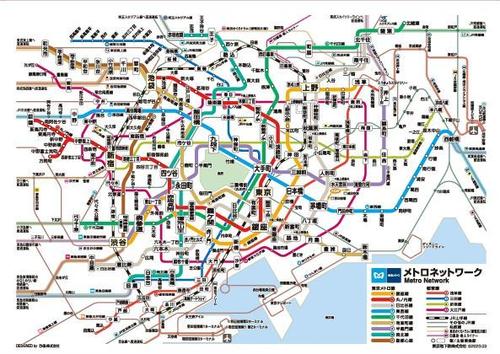
Bad Design - Tokyo subway map - Reona Kubomiya
The latest subway route map of Tokyo made by Toei Subway (Tokyo Metropolitan Bureau of Transportation), one of two subway operators in Tokyo.
Bad Design - Tokyo subway map - Reona Kubomiya
The latest subway route map of Tokyo made by Tokyo Metro, one of two subway operators in Tokyo.
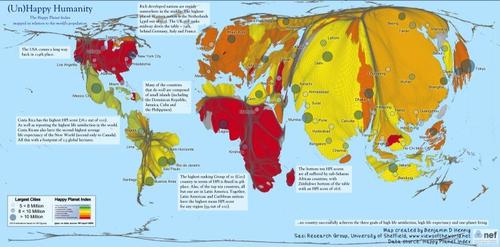
Bad Design – The Happy Planet Index - Jeff Sousa
HappyPlanetIndexMap.png (1500×741) (viewsoftheworld.net)
This map is a re-drawing of the original Happy Planet Index map. While this new map offers a unique visualization of very important data, I believe it is poorly designed because it's not intuitive to the viewer. Some regions are so distorted that one cannot even identify them. The map index, which explains how to read this map, is placed in the bottom left corner, and is shrunk down so small that it is unreadable. Maps are supposed to be a way of processing large amounts of data in a shorter amount of time, but this map does not accomplish that; it forces the viewer to do extra, unnecessary work in order to understand what information the map is relaying.
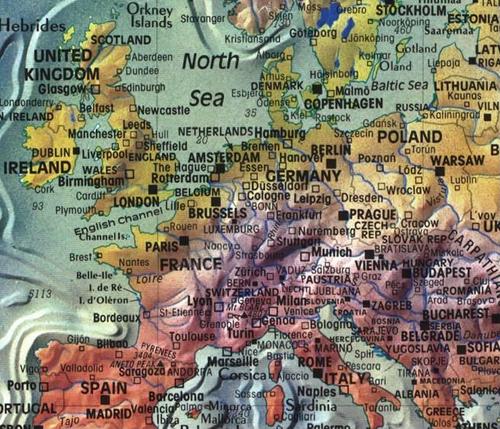
Bad Design - Map of Europe - Tayler Wise
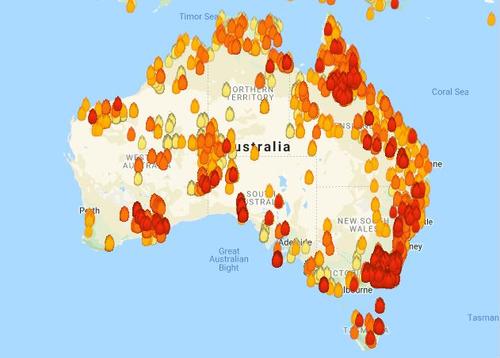
Bad Maps - Bush Fires in Australia - Fletcher Hoven
Map representing forest/bush fires in Australia that misrepresents the fire crisis.
Bad map: [Untitled] - Julian Arenas
"This map pushes back against interpretation. It keeps trying to tell you it’s not a map, but instead just some colored pixels that form interesting shapes."
Source: https://somethingaboutmaps.wordpress.com/2023/10/17/challenging-the-idea-of-a-bad-map/
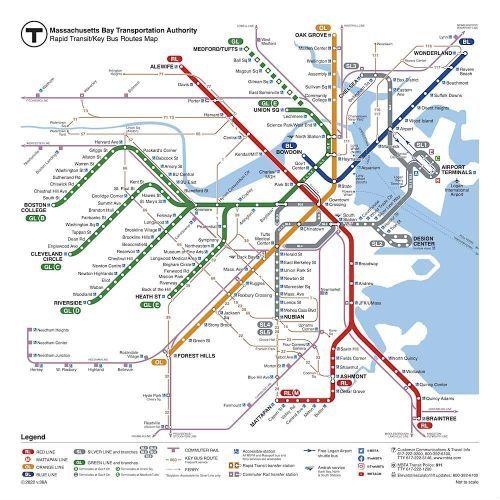
Bad Maps - Map of the T - Joe Miotto
Bad Design - Generic Names for Soft Drinks by county (Aly)
https://sites.psu.edu/swabmaps/2014/03/28/good-and-bad-maps/
https://www.reddit.com/media?url=https%3A%2F%2Fi.redd.it%2Ffa7c8mbdnib91.jpg
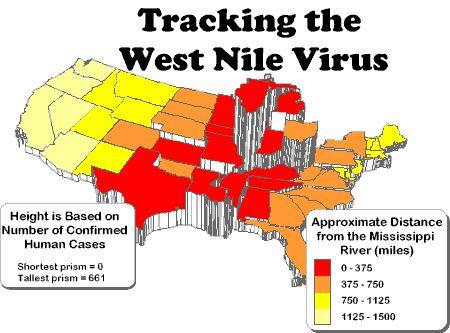
Bad Map - West Nile Virus - Barrett Heritage
Bad Design - Tom Paper (Katherine Myers)
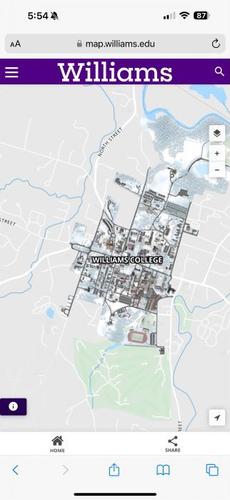
Self-Drawn Map - Eleanor Bigeow
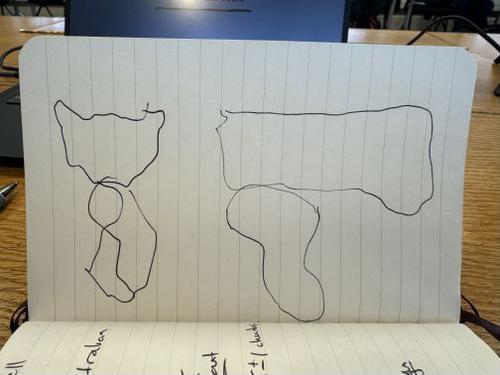
Self Drawn Map - From Memory - Jeff Sousa
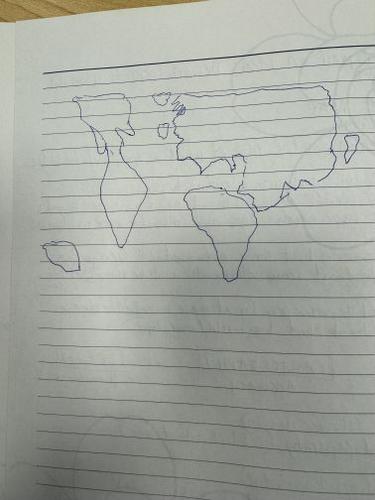
Self-Drawn Map - Connor Connolly
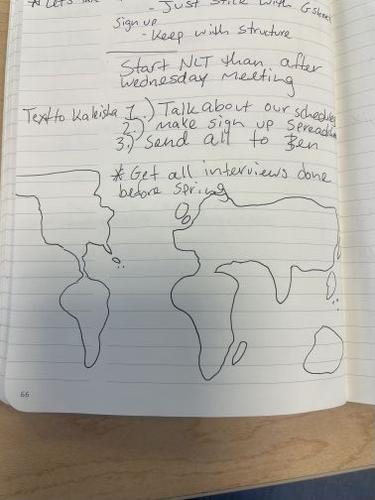
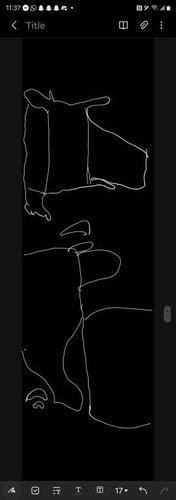
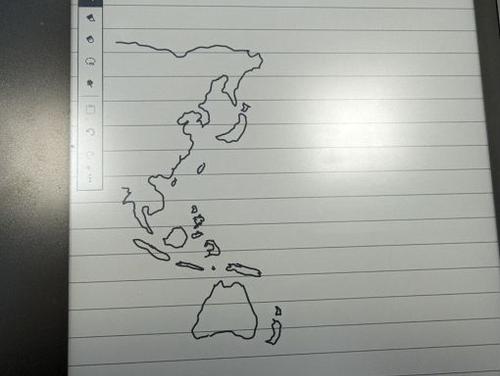
Self-Drawn Map - Brandon Joung - World Map from Memory (east half)
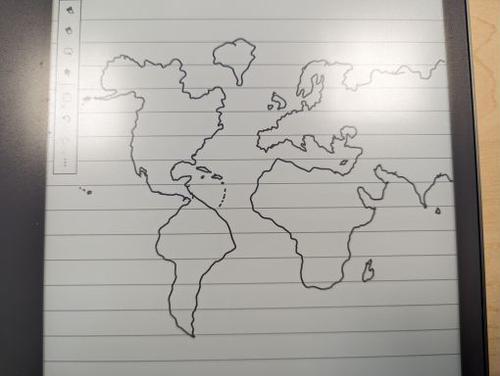
Self-Drawn Map - Brandon Joung - World Map from Memory (west half)
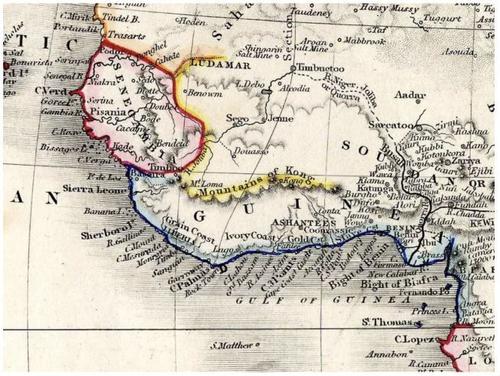
Speculation – Mountains of Kong Map Mistake - Orr Teva
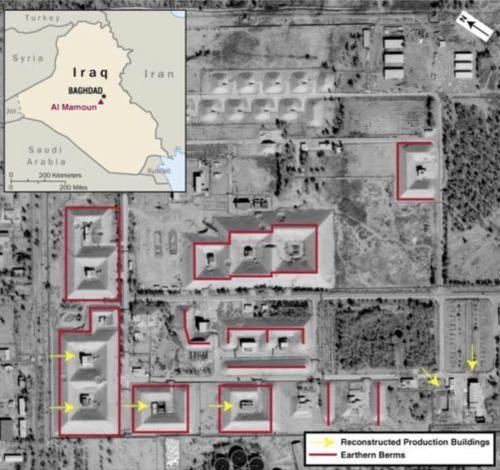
Speculation - Iraqi WMD - Chris Malone
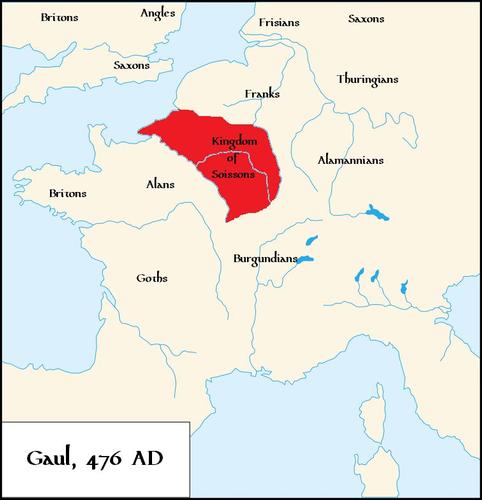
Speculation - Kingdom of Soissons - Andrew Gu
Source: https://commons.wikimedia.org/wiki/File:Map_of_Gaul,_476_AD.png
This map displays the borders of the so-called Kingdom of Soissons, a Roman rump state in northern France following the collapse of central government rule in the area. The only documentary evidence of a Roman state in Soissons comes from literally two lines in Gregory of Tours. Gregory does not comment at all on the state's borders, only on its capital city. As such, its borders are almost entirely speculative.

Above: A map of Soissons (here named the Domain of Syagrius, the Roman warlord ruling the area) with borders found on several other Internet maps. https://www.alison-morton.com/2012/08/05/the-domain-of-soissons-a-roman-remnant/
Below: Another Wikipedia map of Soissons based on this exhibit's map. https://en.wikipedia.org/wiki/File:Detailed_Domain_of_Soissons.svg

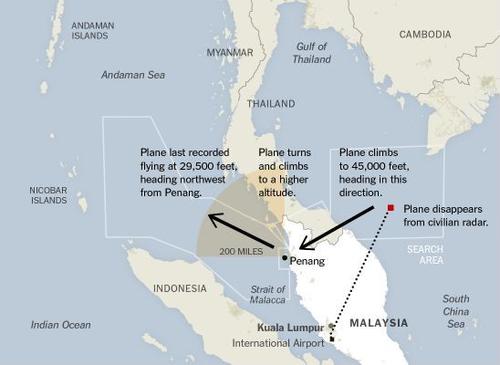
Speculation - "Map of Malaysian Air Flight 370" - Connor Connolly
This map is from NYT, showing the speculative path of Malaysian Air Flight 370 after its disappearance in March of 2014 on a flight from Kuala Lumpur INTL to Beijing Capitol INTL.
Speculation -- "Population Year 2100" -- Oscar Nobel
"In 2100 the world population is estimated to have reached 11.2 billion.
By the end of the century, the African continent’s share of the global population will have risen to 49 per cent by the end of the century, increased from 16 per cent in 2018. At the same time, the global population is expected to have almost flatlined by then, meaning that the year 2100 could be the year of peak population after which the world’s population is expected to decline."
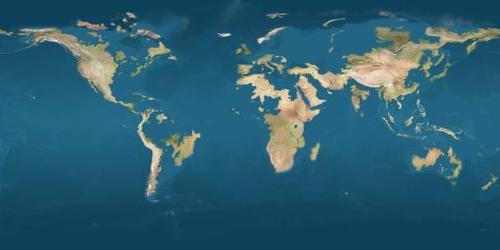
Speculation - Map of sea level in 2100 - Denis Sotnichenko
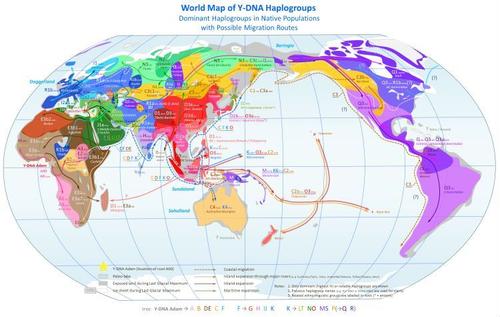
Speculation - Y-DNA Haplogroups & Migration Routes - Brandon Joung
Link to source: https://upload.wikimedia.org/wikipedia/commons/c/ca/World_Map_of_Y-DNA_Haplogroups.png
Speculation of migration routes, origin points of haplogroups, and formation of now-submerged landmasses.
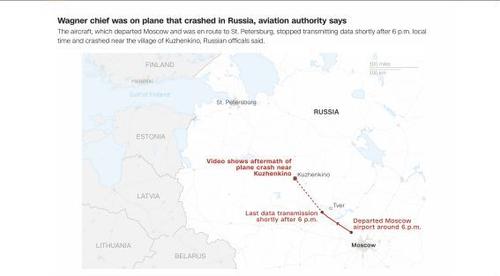
Speculation - Wagner Plane Crash Investigation - Nathan Moldavsky
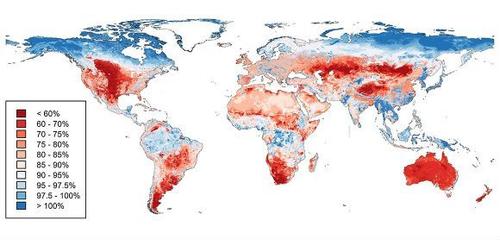
Speculation - Biodiversity Loss Around the World - Nikhil DeNatale
The amount of biodiversity loss in different areas around the world. Instead of measuring the amount of species that were originally found in an area and seeing how many of them are still found, this map got its data from measuring habitat loss, and used observed patterns of how habitat loss affected biodiversity to predict each region. The former way of collecting data would be impossible based on the amount of species worldwide, and also because we do not have precise amounts of species for many parts of the world. However, since there is not a precise count of biodiversity, the way of collecting data for this map involves some speculation.
https://www.nhm.ac.uk/discover/news/2016/july/biodiversity-breaching-safe-limits-worldwide.html
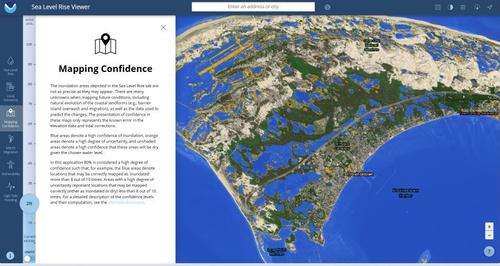
Speculation – Provincetown Projected Sea Rise - Jeff Sousa
Sea Level Rise and Coastal Flooding Impacts (noaa.gov)
"Blue areas denote a high confidence of inundation, orange areas denote a high degree of uncertainty, and unshaded areas denote a high confidence that these areas will be dry given the chosen water level."
The graphic is currently set to project what these researchers believe the map will look like given two feet of sea level rise (for reference, our oceans currently rise at a rate of approximately 0.13 inches per year). The researchers are accounting for their speculation by representing their level of certainty with different colors on the map.
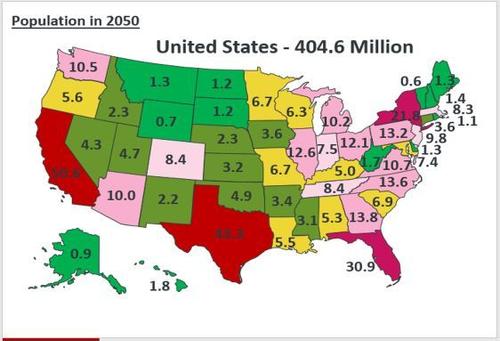
Speculation - U.S population estimate by 2050 - Fletcher Hoven
This map shows the estimated population of the United States in 2050. This map seems to have no legitimate source, and colors represent nothing in particular.
While this map may be accurate, there is no data referenced or maker. Even with a reverse google search the maker cannot be found.
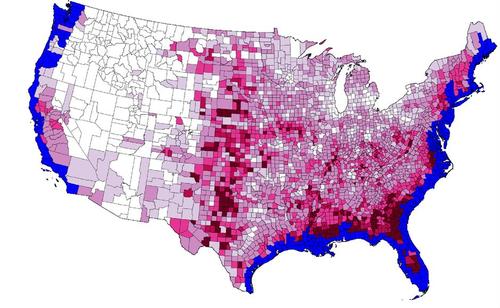
Speculation Map-SRW
This map predicts what areas will see more migration by 2100 if sea levels rise more than six feet.
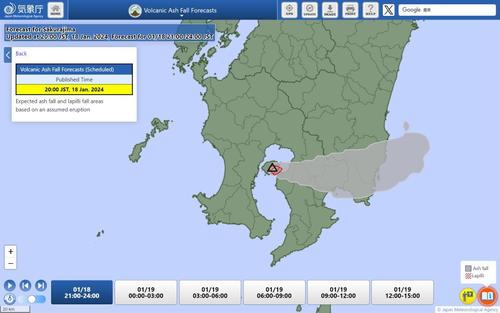
Speculation - Volcanic ash fall forecast of Sakurajima volcano - Reona Kubomiya
This is volcanic ash fall forecasts of Sakurajima by Japan Meteorological Agency. The volcano Sakurajima erupts frequently (more than once a week on average) and rains ash, but of course no one knows when it occurs; this map makes many uncertain assumptions such as the time and magnitude of eruptions. This seems an intermediate characteristic between a weather forecast and a hazard map.
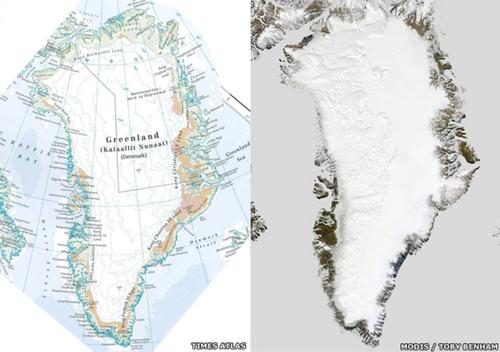
Speculation - Times Atlas Greenland - Tayler Wise
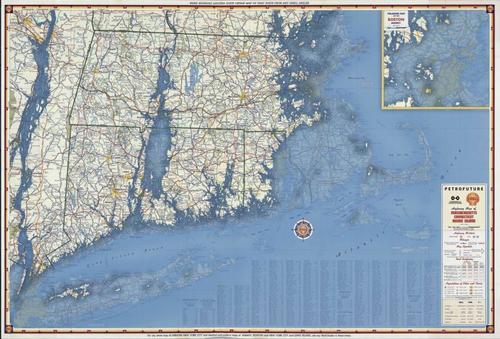
Speculation - MA, RI, & CT Petrofuture - Julian Arenas
Part of a series in which a speculative cartographer used mid 20th-century gas station road maps (from David Rumsey's collection) and added 66 meters of sea level rise, the highest predicted by the Intergovernmental Panel on Climate Change.
"By re-branding, re-tilting, and editing the maps, [...] these maps take on the promotions of petro-corporations, and turn them back on themselves, depicting the ultimate consequences of car culture and the burning of fossil fuels. They are counter-cartographies, showing us the future superimposed on the past, the consequences laid on top of the propaganda."
Source: Jeffery Linn, https://conspiracyofcartographers.com/petrofuture-gallery/
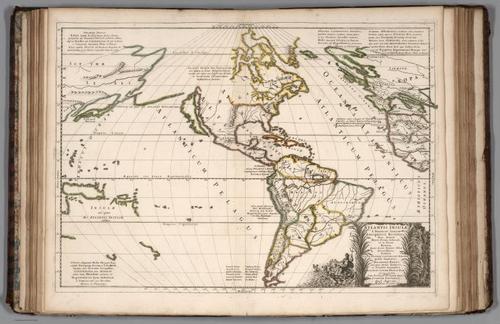
Speculation - Sanson’s Map of Atlantis - John Steinmetz
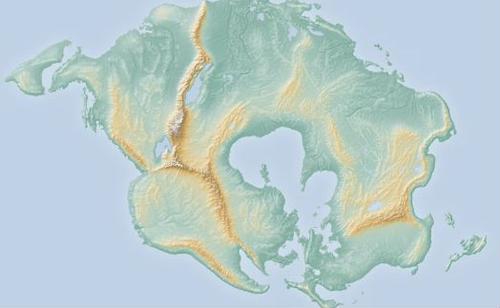
Speculation - Pangea Proxima - Teddy Palmore
Speculation - Map of Sweden (Scandinavia) from the 1st century - Barrett Heritage
Tom Paper test [ 2023-12-22 05:51:13 ]
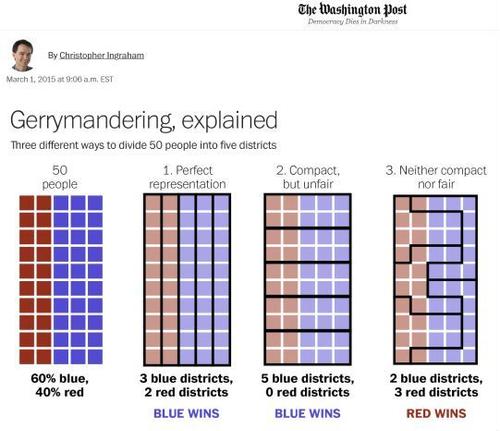
Gerrymandering - The Washington Post - 2015
Place a DOT on the image